The mist clings to the volcanic slopes like a secret waiting to be discovered. Somewhere in the bamboo forests ahead, a family of mountain gorillas moves quietly through their morning routine unaware that today, you’ll become part of their world for one precious hour.
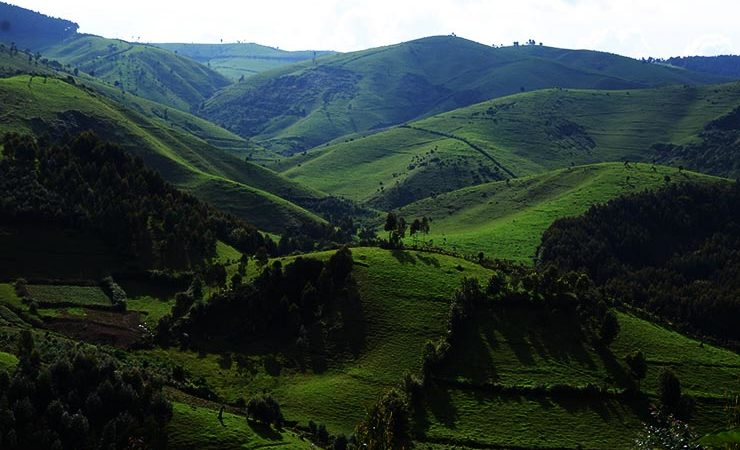
This is Rwanda. The Land of a Thousand Hills. And this is where one of Earth’s rarest wildlife encounters happens every single day.
Why Rwanda’s Gorillas Will Change Your Life
Let me be honest with you: I didn’t understand the hype. Everyone talked about gorilla trekking like it was some spiritual awakening. I thought, “They’re just big monkeys, right?”
I was so wrong.
The moment a 400-pound silverback locked eyes with me just seven meters away, with nothing between us but humid air and mutual respect something shifted. His eyes held intelligence, emotion, recognition. When a baby gorilla tumbled past, playing exactly like a human toddler would, I understood. We share 98.3% of our DNA with these gentle giants. In that forest, that percentage felt like 100%.
Only about 1,063 mountain gorillas remain in the wild. Rwanda protects a significant portion of them in Volcanoes National Park, nestled in the Virunga Mountains where Rwanda, Uganda, and the Democratic Republic of Congo meet. These aren’t animals you’ll see in a zoo no mountain gorillas survive in captivity. If you want to meet them, you come to their home.
And what a home it is.
The Real Deal: What Makes Rwanda Special
Here’s what sets Rwanda apart from other gorilla trekking destinations:
Rwanda offers the most accessible gorilla experience in Africa. From the moment your plane touches down at Kigali International Airport, you’re only a 2.5-hour drive from Volcanoes National Park. Uganda and Congo offer incredible experiences too, but Rwanda’s infrastructure and proximity make it uniquely convenient. You can literally trek gorillas and fly home the same day (though you absolutely shouldn’t rush this experience).
The bamboo forests here also provide better visibility than Uganda’s denser vegetation, which means better photography opportunities and clearer sightings. Plus, Rwanda has invested heavily in conservation and tourism infrastructure. The trails are well-maintained, the guides are phenomenal, and every dollar you spend contributes directly to protecting these magnificent creatures.
Money Talk: What You Need to Know About Pricing
Let’s address the elephant or should I say gorilla in the room: the cost.
A gorilla trekking permit in Rwanda costs $1,500 per person for international visitors. Yes, that’s steep. But before you close this tab, hear me out.
Here’s the full pricing breakdown for 2025:
- Foreign visitors: $1,500
- Foreign residents in Rwanda: $500*
- Rwandan citizens: $200*
- East African citizens: $200*
- African citizens/Foreign residents in Africa: $500*
*Note: Promotional rates DO NOT apply during June to October 2025, which is peak season.
Why so expensive? That fee isn’t padding some CEO’s pocket. Here’s where your money goes:
Conservation efforts take the lion’s share. Rangers patrol daily to protect gorillas from poachers. Veterinarians provide emergency care when gorillas get injured or sick. Researchers monitor population health and behavior. All of this costs money a lot of it.
Community development receives 10% of every permit sold. This builds schools, health centers, and infrastructure in villages surrounding the park. It also compensates farmers when gorillas raid their crops (yes, gorillas love raiding banana plantations).
Anti-poaching initiatives employ former poachers as rangers, trackers, and porters, giving them legitimate income. Many of the people who will help you find gorillas once hunted them. Now they protect them.
The result? Mountain gorilla populations have actually increased over the past decades from a few hundred in the 1970s to over 1,000 today. Your permit helps ensure that number keeps growing.
Only 96 permits are issued daily in Rwanda just eight people per gorilla family. This strict limit minimizes stress on the gorillas and prevents disease transmission. It also means permits sell out fast, especially during dry season. Book at least 3-6 months in advance, or even earlier for June-September.
When to Go: Choosing Your Season
Rwanda’s weather is refreshingly straightforward, but timing matters depending on what you prioritize.
Dry Seasons (Best Overall)
June to September (Long Dry Season) This is prime time. Trails are firmer, rain is minimal, and wildlife is more active around water sources. The catch? Everyone knows this. Permits disappear months in advance, accommodations cost more, and trails feel busier. But if you want optimal trekking conditions and don’t mind crowds, book this window.
August brings the spectacular Kwita Izina gorilla-naming ceremony, Rwanda’s annual celebration where baby gorillas born over the past year receive names. It’s part conservation conference, part cultural festival, and absolutely worth experiencing if your dates align.
December to February (Short Dry Season) Equally good conditions with slightly fewer tourists and often better permit availability. January and February offer warm days and cool evenings perfect hiking weather. This is my personal sweet spot: excellent conditions without the peak-season madness.
Rainy Seasons (Budget-Friendly Alternative)
March to May (Long Rains) Heavy, persistent rainfall turns trails muddy and hiking more challenging. But here’s the upside: permits are easier to secure, lodge prices drop significantly, and you’ll have the forest largely to yourself. Gorillas also tend to stay at lower elevations during rains, which can mean shorter treks.
Photographers actually love the rainy season the soft light and lush, vibrant greens create atmospheric images you simply can’t get in harsh dry-season sunshine.
October to November (Short Rains) Similar benefits to the long rains but with less persistent rainfall. This is also an excellent time for birdwatching, as many species breed during this period.
The Real Truth: Gorilla trekking happens year-round because gorillas don’t take vacations. Rain or shine, they’re there. I’ve spoken with guides who insist some of the most magical encounters happen during rainy season when mist swirls through the trees and you feel like you’ve stepped into Jurassic Park.
Pack rain gear regardless of season you’re visiting a rainforest. Weather here changes faster than a gorilla can peel a banana.
The 10 Gorilla Families: Who You Might Meet
Volcanoes National Park protects ten habituated gorilla families, each with unique personalities and locations. You won’t choose your family guides assign groups based on fitness levels but knowing about them adds depth to your experience.
Susa Family (38 members) The largest group and the most challenging trek. Susa ranges high into the mountains, making for steep, exhausting climbs. But they’re famous for their rare twin gorillas, Byishimo and Impano, now five years old. Seeing twins is exceptionally special gorilla twins are extremely rare. If you’re fit and adventurous, request Susa.
Sabyinyo Family (17 members) The easiest group to reach, perfect if you’re concerned about fitness or altitude. Led by Guhonda, one of the largest silverbacks in Rwanda, Sabyinyo offers an accessible yet powerful encounter. Guhonda’s presence alone is worth the trek this gorilla commands respect.
Amahoro Family (19 members) Amahoro means “peace” in Kinyarwanda, and this family lives up to the name. Led by the gentle silverback Ubumwe, they’re known for their calm demeanor. The trek involves a fairly steep climb, but the payoff is watching one of the most relaxed gorilla families go about their day undisturbed.
Agashya Family (22 members) Formerly called Group 13, Agashya has grown substantially a fantastic sign for conservation. Their size means lots of activity: babies playing, adolescents testing boundaries, females foraging. It’s like watching a bustling gorilla neighborhood.
Kwitonda Family (23 members) Originally habituated in the Democratic Republic of Congo before migrating to Rwanda, Kwitonda tends to range far, making this a moderately difficult trek. But their journey across international borders makes them particularly fascinating from a conservation perspective.
Umubano Family (13 members) This family split from Amahoro when Charles, the silverback, decided to start his own group. Watching gorilla social dynamics play out alliances, disputes, reconciliations reminds you just how similar they are to us.
Hirwa Family (18 members) One of the newer groups, formed from members of Group 13 and Sabyinyo. Led by Munyinya, Hirwa (“the lucky one”) represents the successful expansion of habituated gorilla families.
Each family moves constantly, so trek duration varies. Some days you’ll find them within 30 minutes. Other days, it’s a four-hour slog through dense vegetation. The unpredictability is part of the magic this is wilderness, not a zoo.
Rules & Guidelines: Respecting the Gorillas
These aren’t suggestions they’re requirements strictly enforced by park rangers. Breaking them can result in immediate removal from the trek, no refund.
The Non-Negotiables
Maintain 7 meters (23 feet) distance at all times. If a gorilla approaches you (which happens), don’t move. Let them close the gap. You hold position.
Maximum 1 hour with the gorillas. Once you find your assigned family, you get exactly 60 minutes. Rangers time it precisely. If gorillas seem stressed, guides may end visits early their wellbeing always comes first.
Maximum 8 visitors per family per day. This protects gorillas from excessive human exposure and disease risk.
No flash photography. The sudden light can startle gorillas and damage their vision. Modern cameras handle low light well use them.
No eating, drinking, or smoking near gorillas. Food particles and droplets transmit diseases. Keep everything packed away.
If you’re sick, don’t trek. Gorillas share 98% of our DNA, making them vulnerable to human illnesses. A cold that barely bothers you could kill a silverback. If you show symptoms, park officials will deny entry no exceptions, no refunds. Some lodges even provide free permit rescheduling if you fall ill.
Turn away when coughing or sneezing. Cover your face and face away from gorillas to minimize droplet transmission.
Stay with your group. Don’t wander off. Rangers know gorilla behavior; you don’t.
No touching. Ever. These are wild animals, not pets. Touching puts you at risk (gorillas are exponentially stronger than humans) and habituates them in dangerous ways.
Keep voices low. Speak quietly, move slowly, avoid sudden gestures. You’re guests in their home.
If a gorilla charges, follow your guide’s instructions exactly. Usually this means crouching slowly, avoiding eye contact, and staying still. Never run you can’t outrun a gorilla, and running triggers chase instincts.
Health & Age Requirements
Minimum age: 15 years. No exceptions. The physical demands and behavior requirements make younger children unsuitable for trekking. Plus, kids have weaker immune systems, increasing disease transmission risk.
Health screening before trek. Rangers ask about symptoms and may take temperatures. Be honest lying puts gorillas at risk and guarantees you a wasted $1,500 if discovered.
What to Pack: Gear That Actually Matters
Forget packing lists that suggest 47 items. Here’s what you genuinely need:
Essential Clothing
Sturdy, waterproof hiking boots with ankle support. This is your most important item. Trails get muddy, slopes get steep, and twisted ankles ruin trips. Break boots in before you arrive.
Long pants and long-sleeved shirts (neutral colors: greens, browns, grays). Avoid black (attracts insects), bright colors (disturbs wildlife), and especially camouflage (illegal for civilians in many African countries). The forest has stinging nettles and thorny vines cover up.
Gardening gloves. You’ll grab branches and vegetation constantly. Gloves prevent cuts, splinters, and nettle stings. The lodges often provide these, but bring your own if you want guaranteed fit and cleanliness.
Rain jacket and waterproof pants. Not optional. Rain can hit anytime. Get breathable fabrics you’ll be hiking uphill, sweating, and needing ventilation.
Gaiters. These wrap around your lower legs and keep mud, insects, and plant matter out of your boots and socks. Most lodges provide them, but personal ones fit better.
Layers for morning cold. Early mornings in the mountains can drop to 50°F (10°C) or lower. Bring a warm sweater or fleece. You’ll shed layers as you hike, so make them easy to stuff in a daypack.
Important Gear
Daypack (waterproof or with rain cover). You’ll carry water, snacks, camera, and layers. Keep it light porters can help, but you still hike with it on.
Water bottle (at least 1-2 liters). High altitude and exertion demand hydration. Drink constantly, especially if you’re not accustomed to altitude.
Energy snacks. You can’t eat near gorillas, but you can snack on the trail. Pack nuts, energy bars, fruit anything portable and non-messy.
Camera with zoom lens (no flash). A 70-200mm lens works beautifully for gorilla portraits while respecting distance rules. Bring extra batteries and memory cards you’ll shoot hundreds of photos.
Binoculars (optional but nice). Useful when gorillas are slightly farther away or up in trees.
Insect repellent. Rainforests have mosquitoes and other biters. Use DEET-based products for effectiveness.
Sunscreen and hat. Even in the forest, sun exposure happens. Protect yourself.
Hand sanitizer or wipes. Essential for hygiene, especially before snacks.
Personal medications. Bring any prescription meds, plus basics like ibuprofen for post-trek soreness.
Don’t Forget
Valid passport. You’ll need this for park entry verification. Make sure it matches the name on your permit exactly.
Gorilla permit (digital or printed). You paid $1,500 for this don’t leave it at the lodge.
Mask (optional but considerate). Some guides provide disposable masks to further reduce disease transmission. Some trekkers prefer to wear them proactively.
Hiring a Porter: Worth Every Penny
Porters cost around $10-20 and will carry your daypack, offer a steadying hand on slippery slopes, and even lift you over obstacles. Yes, you might be fit enough to manage solo. Hire one anyway.
Here’s why: Many porters are former poachers who now earn legitimate income from conservation tourism. Your tip directly supports families and incentivizes wildlife protection. Plus, these folks know every root, rock, and shortcut. They’ll make your trek safer and easier.
The Trek: What Actually Happens
5:30-6:00 AM: Wake-Up Call Most lodges serve early breakfast. Eat well you’ll need the energy.
7:00 AM: Briefing at Park Headquarters in Kinigi Everyone gathers at the Rwanda Development Board office. Rangers explain rules, describe gorilla families, and assign groups based on fitness levels. Be honest about your physical condition there’s no shame in requesting an easier trek.
Coffee and tea available. Use the bathrooms there won’t be another chance for hours.
7:30-8:00 AM: Drive to Trailhead Your assigned family determines which trailhead you’ll start from. The drive takes 15-30 minutes through stunning countryside.
8:00 AM-????: The Trek Begins Duration varies wildly: 30 minutes to 6+ hours depending on where gorillas spent the previous night. Trackers leave at dawn to locate them, radioing coordinates to guides.
The hike challenges most people. Altitude, humidity, steep terrain, and slippery mud all test endurance. But guides stop frequently for breaks, move at a manageable pace, and no one gets left behind.
As you get closer, guides signal for silence. You’ll store daypacks, ready cameras, and move quietly forward.
The Encounter: 1 Hour That Redefines “Magical” Then suddenly, there they are.
A massive silverback sits calmly, munching bamboo shoots. A mother cradles her infant. Adolescents wrestle playfully while an elder watches with the patience of a grandmother who’s seen it all.
Time stops.
You forget the muddy trek, the burning lungs, the $1,500 permit. None of it matters anymore. You’re seven meters from one of nature’s most magnificent creatures, watching them live exactly as they have for millennia.
The silverback might glance your way, acknowledging your presence with a look that says, “You’re in my space, but I’ll allow it.” A baby might tumble within arm’s reach, oblivious to how rare and precious they are.
Sixty minutes pass in what feels like ten.
Return Trek Usually faster going down, though exhaustion hits harder. Adrenaline carries you partway; euphoria handles the rest.
Back at headquarters, you’ll receive a certificate commemorating your trek. Then it’s off to your lodge for a well-earned hot shower and possibly the best meal of your life.
Our Packages: Your Journey Starts Here
We offer complete gorilla trekking experiences tailored to your schedule and budget:
1-Day Rwanda Gorilla Trek Perfect for travelers on tight schedules. Depart Kigali at dawn, trek, and return same day. Includes transport, permit, guide, and lunch. While we offer this, we genuinely recommend longer stays if possible the experience deserves not to be rushed.
https://ibigwitours.rw/product/1-day-gorilla-trekking-safari-in-rwanda/?ovabrw_adults=1
3-Day Gorilla Safari Our most popular option. Combines gorilla trekking with golden monkey tracking (another rare primate endemic to the region) and a Kigali city tour. Includes accommodation, all meals, transport, permits, and guides.
https://ibigwitours.rw/product/amsterdam-and-lake-ijssel-cycle/?ovabrw_adults=2
4-Day Rwanda Primate Tour For the ultimate primate experience. Gorillas in Volcanoes National Park, chimpanzees in Nyungwe Forest, plus canopy walks and waterfall hikes. Full board, all transport, permits, and professional guides included.
https://ibigwitours.rw/product/4-day-tour-package/?ovabrw_adults=1
Custom Multi-Country Safaris Want to combine Rwanda with Uganda or Congo? We design bespoke itineraries that maximize your wildlife encounters. Popular add-ons include Nyiragongo volcano hike in Congo, savannah safaris in Uganda’s Queen Elizabeth National Park, or Tanzania’s Serengeti migration.
Visit our booking platform at Rwanda Development Board Portal to check availability and reserve permits. All packages include dedicated guides, transportation, accommodations (from budget to luxury), and full logistics support.
Practical Questions Answered
Is gorilla trekking safe? Extremely safe when following guidelines. Gorillas are habituated to humans but still wild respect rules and listen to guides. Thousands of visitors trek annually without incident. The bigger risks are altitude sickness and hiking injuries, both manageable with preparation.
What if I can’t find the gorillas? Happens rarely trackers have about a 98% success rate. If you trek all day without finding your assigned family, you’ll receive a 75% refund. If the park determines gorillas moved in ways beyond their control, you may receive a full refund or free permit for another day.
Can I trek if I’m not super fit? Fitness levels vary widely among successful trekkers. Guides accommodate different abilities and assign families accordingly. That said, prepare: cardiovascular conditioning, leg strength, and altitude acclimatization help immensely. If you can hike uphill for 1-2 hours with breaks, you’ll manage.
How do I book? Reserve permits through the Rwanda Development Board website or through registered tour operators (like us!). Tour operators handle logistics, transport, and accommodations much easier than DIY, especially for international visitors.
What about altitude sickness? Volcanoes National Park sits at 2,500-4,000 meters (8,200-13,100 feet). Some people feel mild effects: headaches, nausea, shortness of breath. Walk slowly, hydrate constantly, and acclimatize by spending a day in Kigali or Musanze before trekking. Serious altitude sickness is rare at these elevations but possible. If symptoms worsen, descend immediately.
Can I visit gorillas more than once? Absolutely! Many visitors return annually. Each trek differs different families, different behaviors, different weather. Some travelers trek multiple days in a row (budget allowing) to see different families.
What happens to my money? Transparency matters: Conservation efforts receive the majority. Community development gets 10%. Park operations, anti-poaching patrols, veterinary care, research, and infrastructure all receive funding. Rwanda’s tourism model is genuinely conservation-focused it’s why gorilla populations are increasing rather than declining.
Final Thoughts: Why This Matters
Mountain gorillas were nearly extinct forty years ago. Fewer than 250 survived. Conservation efforts funded largely by tourism revenue have increased that number to over 1,000.
Your trek isn’t just tourism. It’s active participation in one of conservation’s greatest success stories. Every permit proves that gorillas alive are worth more than gorillas dead. Every visitor demonstrates to local communities that protecting wildlife benefits them directly.
When you lock eyes with that silverback, you’ll understand what everyone means about “life-changing.” But the real magic happens later, when you realize you’ve become part of something bigger than yourself a global movement to ensure these magnificent creatures survive for generations who haven’t even been born yet.
The mist will clear. The trek will end. You’ll return home.
But the gorillas will stay with you forever.
Resources & Further Reading
This guide was compiled using information from multiple authoritative sources:
- Rwanda Development Board Official Tourism Portal: https://visitrwandabookings.rdb.rw/rdbportal/mountain-gorilla-tracking
- Visit Rwanda Official Website: https://visitrwanda.com/interests/gorilla-tracking/
- World Wildlife Fund (WWF) Mountain Gorilla Conservation: https://www.wwf.org.uk/learn/fascinating-facts/gorillas
- International Union for Conservation of Nature (IUCN) Red List: Mountain Gorilla Status Reports
- African Wildlife Foundation: Mountain Gorilla Conservation Programs
- Fauna & Flora International: Mountain Gorilla Conservation Efforts
- International Gorilla Conservation Programme (IGCP)
- Dian Fossey Gorilla Fund International Research
- Multiple tour operator insights and traveler reviews from TripAdvisor and specialized safari operators
- Wikipedia: Mountain Gorilla Natural History and Habitat Information
- Virunga National Park Documentation: Mountain Gorilla Facts and Conservation
- Various travel blogs and expert safari guides specializing in East African primate tourism
For the most current permit prices, availability, and booking information, always consult the official Rwanda Development Board website or contact registered tour operators directly.
Ready to book your once-in-a-lifetime adventure? The gorillas are waiting.